


Stress and anxiety for our furry friends can be really common and can be just as worrying and even dangerous for our dogs as it can be for us humans.
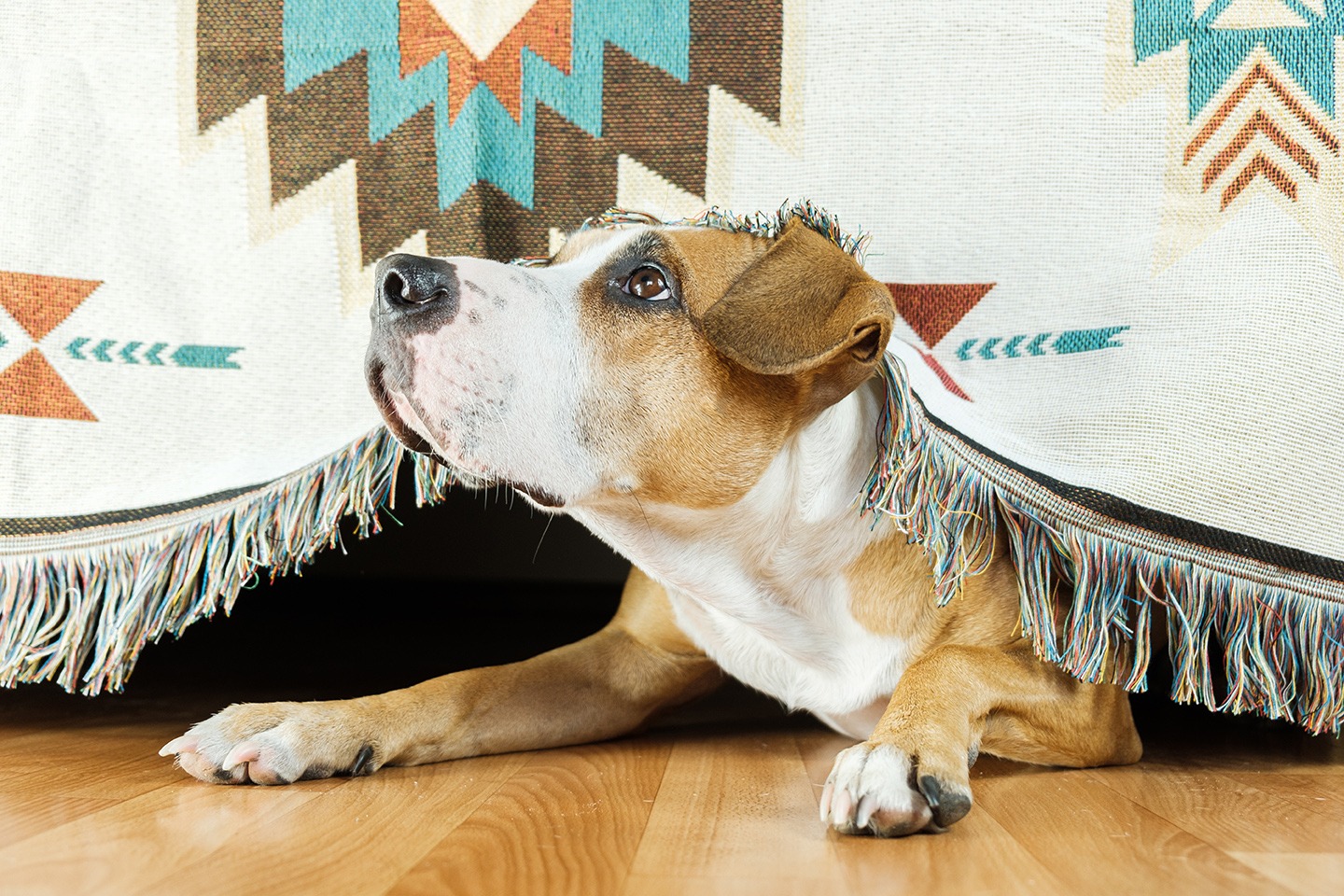
It’s important to try and recognise the causes and signs in your dog before implementing some quick changes which can help to calm them down and make them happier.
STEP 1 – Identify the cause of your dog’s stress:
Events such as moving house, going on holiday, or changes in the family can be stressful enough for us, but they can also have an impact on your pet’s wellbeing too. Even more trivial events like meeting new people, car journeys, going to the vet, separation anxiety and loud noise levels can all cause our four-legged friends to feel stressed and anxious.
STEP 2 – Recognising the signs:
- Watch your dog closely when they’re in different environments as you’ll start to notice different behaviour displays when he/she isn’t comfortable
- Different breeds and personalities may exhibit their anxieties in different ways – for example, more outgoing dogs might take it out on their surroundings in a physical way, whilst introverted dogs might internalise their anxiety with vomiting or diarrhoea
Some of the most common symptoms of stress in dogs:
- Panting: If your furry friend is panting for no obvious reason (he’s not too hot and he hasn’t recently done any physical exercise), then there’s a good chance he’s feeling stressed.
- Sweating from the paws: Just like humans, dogs can sweat when they’re feeling anxious or stressed. Keep an eye out for wet paw prints on the floor.
- Pinning back ears: If your dog is feeling anxious you might notice him pinning back his ears. You may also notice a dipped head, lower body posture, or see him shifting his weight to his back legs.
- Yawning: Long, intense yawning can be a sign that your dog is stressed.
- Excessive shedding: Your pooch may shed his coat more than usual when he’s feeling anxious.
- Excessive barking: This might indicate tension. Look for patterns around when the barking occurs to see if you can find – and avoid – the trigger.
Other tell-tale signs which could signal stress include:
- Lip or nose licking
- Excessive chewing
- Whining or howling
- Urinating
- Aggressive behaviour
- Refusal of food
STEP 3 – Start training your dog
As with coping mechanisms for us humans, you can also introduce some small changes in your pet’s routine to help them cope with and overcome anxieties.
Some top stress-busting training tips for dogs:
- Stick to a routine: Just like people, dogs like routines. If your dog has a set pattern for eating, walking and playing, you’ll find he’s much more content and better able to deal with minor stresses throughout the day.
- Implement some separation anxiety training: Dogs are sociable animals and a good deal of stress can come from separation anxiety when they’re apart from you. Some handy tips on separation anxiety training can be found here.
- Make sure they get enough exercise: Relieve tension and stop your dog’s anxiety with regular exercise. Play in the garden, go for a long walk – the key thing is to keep both their body and mind busy!
STEP 4 – Make sure you make your home environment as stress-free as possible
- Give them a space to feel safe: A peaceful area for a crate or dog bed can be the perfect place for your dog to feel safe and relaxed. Moving house? Try adding some clothes carrying your scent to his bed to help him feel safe.
- Spend time together: Dogs are inherently social creatures and boredom and loneliness can make them anxious. Spending time with your dog is a win-win – it relieves stress for both of you!
STEP 5 – Consider calming remedies to relieve stress
- Products such as Bob Martin Stay Calm Nutritional Oil for Dogs can be used regularly as a natural remedy to help calm your dog.
- It can be used during times when you might need to reduce your pet’s stress levels such as before a visit to the kennels or vets, before travel, fireworks, thunderstorms or when home alone
- The product contains a blend of Valerian, Chamomile and Ginger oil which are all known for their calming, relaxing and soothing properties
Intense or prolonged stress can cause lasting health issues for your dog, just like it can for humans. But if you implement these tips and coping mechanisms, you should be able to minimise their stress levels. But, if you’ve tried all of these options and they’re still looking anxious or stressed, we’d recommend taking them to see the vet.