


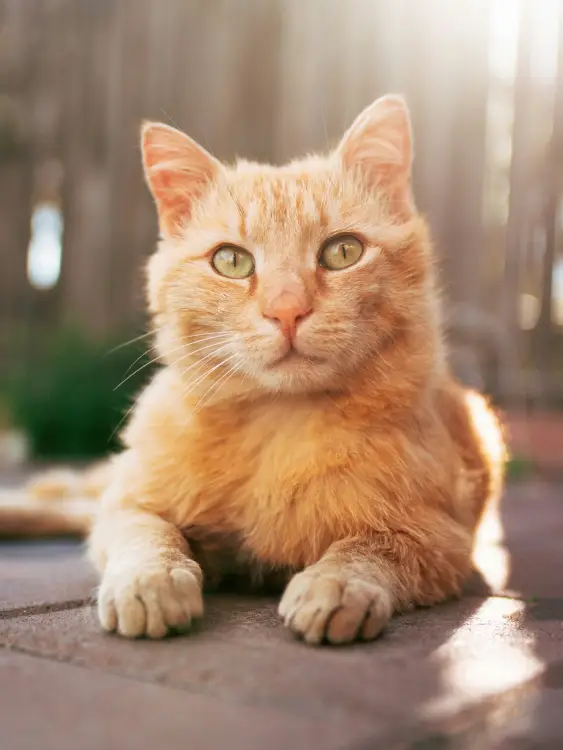
If you take supplements yourself, you might wonder whether your cat could benefit from them too. It’s a reasonable question, and the answer isn’t simply yes or no.
Most healthy cats eating a complete, balanced diet will get the nutrients they need from their food. But ‘complete’ doesn’t always mean optimal, especially as your cat gets older, or if they have a specific health condition, lifestyle, or breed-related tendency.
Supplements aren’t a replacement for good nutrition. Used in the right circumstances, though, they can provide meaningful, targeted support for your cat’s long-term health.
Not All Cats Have the Same Nutritional Needs
One of the most common misconceptions in cat care is that all cats need the same things. They don’t.
Age, lifestyle, breed, and even personality all shape what your cat requires. Here’s how some of these factors come into play:
- Indoor cats tend to be less active, which can affect joint health and weight management over time.
- Outdoor cats are more active and may have greater immune and energy demands.
- Senior cats (typically aged 7+) absorb nutrients less efficiently, even on a consistent diet.
- Larger or heavier breeds can put more strain on their joints, making mobility support more relevant earlier in life.
- Longhaired breeds may be more prone to skin and coat issues that benefit from targeted fatty acid support.
Rather than applying a one-size-fits-all approach, the most useful thing you can do is pay close attention to your individual cat – their habits, their condition, and any changes over time.
Indoor vs Outdoor Cats: Do Their Supplement Needs Differ?
Yes. It’s not just about how much exercise they get. Indoor and outdoor cats live quite different lives, and those differences affect everything from their energy demands to their exposure to nutrients, stress, and environmental factors.
Indoor cats tend to be less active by default. Without the stimulation of hunting, exploring, and roaming, they’re more prone to weight gain, reduced muscle tone, and boredom-related stress.
Less movement over time can accelerate joint stiffness, making glucosamine and omega-3 support worth considering earlier than you might expect.
Indoor cats also have limited sun exposure, which can affect their overall wellbeing and energy levels.
If your indoor cat seems lethargic or has gradually gained weight, it’s worth looking at both their diet and whether targeted nutritional support could help.
Outdoor cats face a different set of demands. Higher activity levels mean greater energy expenditure and more strain on muscles and joints, particularly in older cats who are still roaming but recovering more slowly than they used to.
Outdoor cats are also exposed to more environmental stressors, including parasites, temperature fluctuations, and the physical demands of defending their territory. Their immune systems are working harder. Omega-3s and antioxidant support, including vitamins C and E, can be helpful for outdoor cats.
There’s also the question of diet variety. Some outdoor cats supplement their food with prey, which can introduce inconsistency in their overall nutrient intake.
While hunting provides some natural nutritional variety, it doesn’t guarantee balance, and the gap between what they catch and what they actually need can be difficult to predict.
Neither lifestyle is better or worse for your cat’s health, but each comes with its own nutritional considerations. An indoor cat isn’t automatically well-nourished just because they’re safe and fed. And an outdoor cat isn’t automatically thriving just because they’re active.
Knowing which category your cat falls into and how that shapes their daily life is a useful starting point when considering whether they might need supplements.
Signs Your Cat Might Benefit From Supplements
Cats are good at hiding discomfort. Small, gradual changes are often the first sign that something isn’t quite right. If you notice any of the following, it may be worth considering whether your cat could use some extra nutritional support:
- A dull, dry, or flaky coat
- Increased shedding or changes in grooming habits
- Stiffness after resting, or hesitation when jumping
- Less energy or reduced interest in play
- Changes in appetite or weight
- Occasional loose stools or digestive inconsistencies
These signs don’t automatically point to a deficiency. But they are indicators that your cat’s diet may not be fully meeting their needs right now.
Key Nutrients And Why They Matter
True deficiencies are uncommon in cats on complete diets, but some nutrients are worth knowing about because they play an important role in feline health.
Taurine
Taurine is non-negotiable for cats. They can’t produce enough of it on their own, which makes it one of the few nutrients that is genuinely essential at every life stage. It supports heart function, vision, and digestion. Most commercial cat foods contain taurine, but levels can vary and degrade over time, particularly in some wet foods.
Omega-3 Fatty Acids (EPA and DHA)
Omega-3s support skin and coat health, joint function, and cognitive health. Cats can’t efficiently convert plant-based omega-3s, so they need animal-based sources – typically fish oil. This is one of the most useful supplements for older cats, those with dry or flaky skin, or cats showing signs of joint stiffness.
Glucosamine
Glucosamine helps maintain the cartilage that cushions joints. It’s not a vitamin, but it plays a significant role in mobility – especially in ageing cats or those carrying extra weight. It works cumulatively, so it’s most effective when introduced before problems become obvious.
Vitamin A
Cats require pre-formed vitamin A from animal sources – they can’t convert it from plant-based alternatives. It supports vision, immune function, and skin health. A dull coat or eyes that seem less bright can sometimes be early indicators that vitamin A intake is worth reviewing.
Vitamin E
An antioxidant that protects cells and supports immune health. It also works alongside omega-3s to maintain skin and coat condition. Cats with persistent dryness or a lacklustre coat despite a good diet may benefit from additional vitamin E.
Vitamin B Complex
B vitamins are water-soluble, meaning they aren’t stored in large amounts and need regular replenishment. They support energy metabolism, appetite, and nervous system function.
Cats that seem lethargic, have a reduced appetite, or are recovering from illness often benefit most.
Do Senior Cats Need Supplements?
Yes, senior cats are more likely to benefit from supplements than younger ones. From around age 7, cats begin to absorb and use nutrients less efficiently. Even a diet that has served them well for years may not fully meet their changing needs.
The areas most worth supporting in older cats are:
- Joint health: Glucosamine and omega-3 can help maintain comfortable movement
- Cognitive function: Omega-3 fatty acids, particularly DHA, support brain health
- Energy and appetite: B vitamins help maintain both, especially in cats that have slowed down
- Skin and coat: Older cats are more prone to dryness and thinning coats
Subtle changes – slower movement, less grooming, reduced interest in play – aren’t always signs of illness, but they are signs that your cat’s body may need a little more support.
When Are Supplements Worth Considering?
Supplements aren’t necessary for every cat, but they can make a real difference in the right circumstances. They’re most worth considering for:
- Senior cats with reduced mobility or energy
- Cats with a dull coat, dry skin, or persistent shedding
- Cats recovering from illness or a stressful period
- Picky eaters who don’t get consistent nutrition from their diet
- Cats on restricted or specialist diets
Consistency matters. Supplements like omega-3 and glucosamine work over time, not overnight. The most effective approach is one that’s easy to maintain – something your cat actually accepts, that fits naturally into your existing feeding routine.
Formats have come a long way. Lickable options, in particular, make it much easier to give supplements reliably without the stress of tablets or powders.
It’s also worth thinking about supplements as a preventative measure, not just a reactive one. Waiting until your cat shows obvious signs of joint stiffness or a noticeably dull coat means you’re already playing catch-up.
Many of the nutrients that support long-term health – omega-3, glucosamine, taurine – work best when they’re introduced before problems develop. Think of them less as a treatment and more as ongoing maintenance, the same way you’d approach your own health.
Small, consistent steps taken early tend to make a much bigger difference than larger interventions made late.
How to Choose and Introduce Supplements Safely
Always choose products formulated specifically for cats. Human supplements are not appropriate, as the ingredients and dosages aren’t designed for feline biology and can cause harm.
Look for products that are clearly labelled, developed with pet safety in mind, and appropriate for your cat’s age and size.
When introducing a new supplement:
- Start with a small amount and build up gradually to the recommended serving
- Introduce one supplement at a time so you can monitor any changes
- Follow the usage instructions carefully – more isn’t better, particularly with fat-soluble vitamins like A and E
If you’re unsure whether your cat needs a supplement or which one to choose, it’s best to have a chat with your vet.
Nutrients at a Glance
| Nutrient | What it Supports | When It’s Most Useful |
|---|---|---|
| Taurine | Heart, vision, digestion | Essential at all life stages |
| Omega-3 | Skin, joints, brain | Senior cats, dry skin, stiffness |
| Glucosamine | Joint health | Ageing or less active cats |
| Vitamin A | Vision, immunity | All life stages, especially if diet varies |
| Vitamin E | Skin, immune health | Poor coat |
| Vitamin B Complex | Energy, appetite | Stress, recovery from illness, older cats |
Every cat is different. Use this as a guide, not a prescription. Your cat’s individual needs, age, and lifestyle should always shape which nutrients you prioritise.
FAQs
Do cats need supplements if they eat complete food?
Most healthy cats on a complete diet won’t need supplements. However, age, lifestyle, and individual health factors can all create gaps that a supplement can help address.
What vitamins should I give my cat daily?
Only supplement if there’s a clear need. Taurine, omega-3 fatty acids, and B vitamins are among the most commonly beneficial – but they should complement a balanced diet, not replace it.
Do senior cats need supplements more than younger cats?
Yes. Senior cats are more likely to benefit, particularly for joint health, cognitive support, and coat condition, as their ability to absorb and use nutrients declines with age.
Can I give my cat human supplements?
No. Human supplements are not formulated for cats and may contain ingredients or dosages that are harmful. Always choose products designed specifically for cats.
How do I know if my cat needs supplements?
Signs such as reduced mobility, a dull coat, low energy, or changes in appetite are worth paying attention to. If you’re unsure, speak to your vet before introducing anything new.
Photo by Anton Darius on Unsplash